Outgrowing Yourself: Why Change Often Triggers Self-Doubt
One of the least spoken about aspects of personal growth is the discomfort of change itself — not change in circumstances, but change in identity.
Written by
 Natasha Matos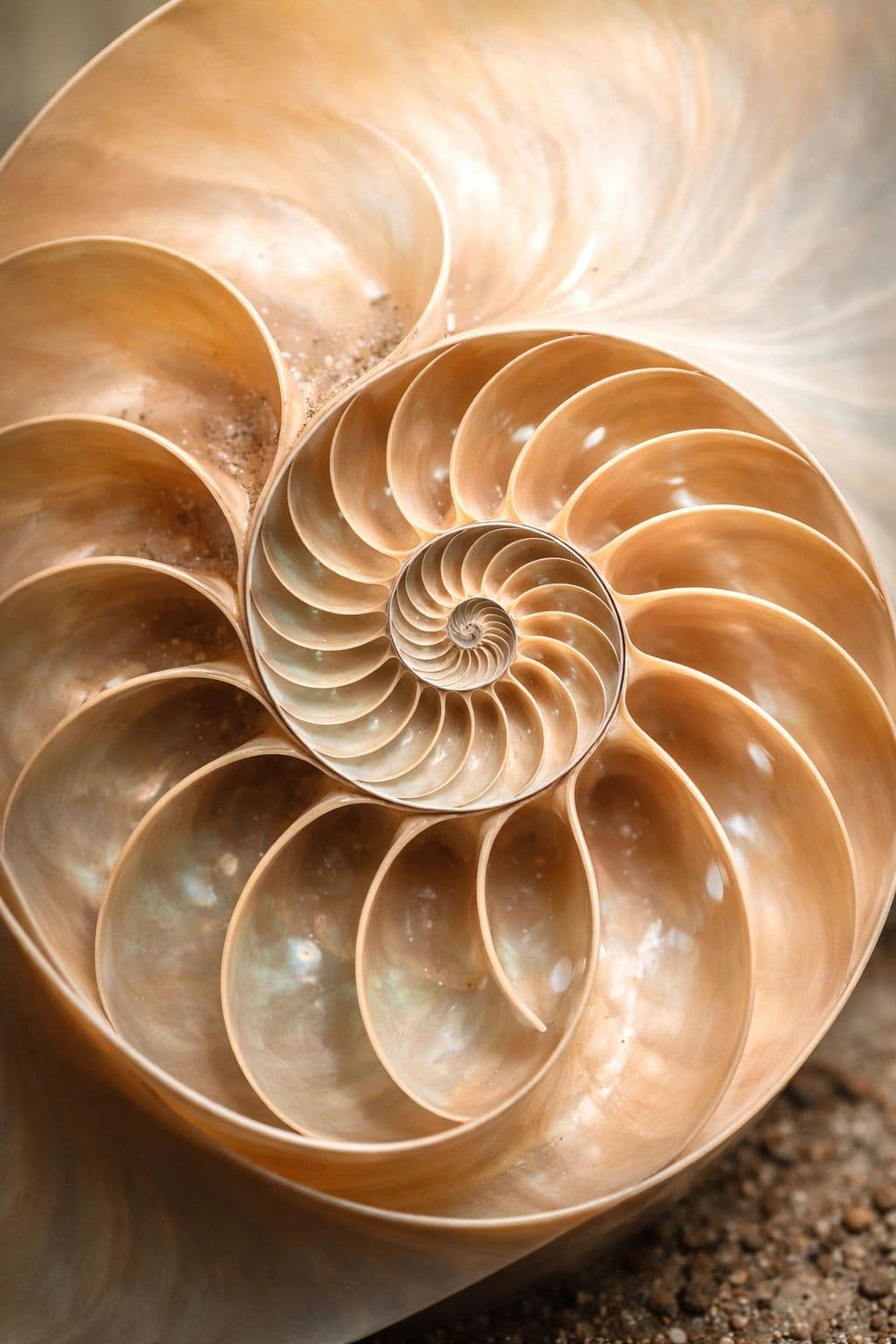
One of the least spoken about aspects of personal growth is the discomfort of change itself. Not change in circumstances, but change in identity. The moment we realise that we no longer think, feel or relate to the world in the same way we once did, a quiet fear often appears.
It is the fear of being judged by past versions of ourselves.
As change unfolds, we begin to make decisions that feel unfamiliar, even to us. Choices that are not yet mirrored by the people around us. New perspectives, values or desires that were not part of our earlier way of being. And in that moment, it is common to wonder whether we are doing something wrong.
In Atomic Habits, James Clear points out that change often feels difficult not because the behaviour itself is hard, but because it conflicts with the identity we believe we have. When our decisions, choices or ways of thinking no longer match how we see ourselves, discomfort naturally arises.
In this sense, self-doubt is not a sign of failure, but of transition. The psyche is trying to reconcile a new way of being with an old self-image. Acting differently can feel unsafe — not because it is wrong, but because it no longer fits who we thought we were or how the people close to us are used to seeing us.
Many women experience this as a sudden wave of self-doubt. They question their choices, their voice, their direction. They wonder whether they are being inconsistent, disloyal or unrealistic, especially when these decisions seem to go against the values of their family. Belonging is an evolutionary need. We want to feel loved and included. And change can feel lonely.
This inner questioning can become paralysing, particularly when the outer world continues to relate to us through older roles and identities.
Often, the doubt does not come from the change itself, but from what happens when we try to share it. When we speak about our new thoughts and discoveries with people who are not in the same process, we may feel judged or misunderstood. Even when there is care and good intention, the response we receive can carry hesitation, fear or projection. And that can make us question our inner knowing.
This is entirely normal.
From a psychological perspective, self-doubt during periods of change is rarely a sign that something is wrong. It is often a sign that something within us is reorganising. And while the idea of reorganisation, transmutation and growth can feel reassuring, it also takes time and requires the right conditions to unfold.
As the Greek philosopher Heraclitus observed, we never step into the same river twice. Nature is always adjusting, transforming, finding new forms. And so are we.
When we outgrow a former version of ourselves, we are also outgrowing the strategies that once helped us survive. The self that adapted, coped, stayed quiet, stayed productive or stayed pleasing did so for a reason. Letting go of that version can feel like a betrayal, even when it no longer reflects who we are becoming.
In Jungian terms, this is a moment of tension between the old ego identity and the emerging relationship with the Self. Growth does not move in a straight line. It unfolds through cycles of uncertainty, doubt and inner renegotiation.
Like the spiral of the Fibonacci sequence found in nature, development returns again and again, each time from a slightly different place. It is not a straight path forward, but something closer to a labyrinth — with one essential aim: to lead us back to the centre, to ourselves.
Self-doubt, in this context, is not a lack of confidence. It is the psyche asking for space to reorganise. Space to grieve what no longer fits. Space to integrate what has been learned. Space to build inner coherence before moving forward.
This is also why having at least one safe mirror is so important. Someone who has begun their own path of transformation, or who is oriented towards what you wish to create, transform or become. Not because they are a master or a guru, but because they can listen without projecting their own fears onto what is still forming within you.
Sometimes, the most protective way to sustain a meaningful transformation is discretion. Allowing ideas to mature within a small and trusted inner circle. Sharing only with those who can hear without collapsing possibility into fear or placing a cold weight on what is still alive and tentative.
For a long time, in my own life, external confirmation felt essential. When I could not find the validation I was looking for, I paused my dreams and the things I deeply cared about. I was afraid of making a mistake, of not being ready. That often translated into believing I needed another degree, another training, another book. Always looking outside, because I did not yet feel safe being myself.
At Alchemyssa, this stage is understood as a threshold. A liminal space between who you were and who you are becoming. It is not a place to rush through, nor a problem to fix. It is a moment that asks for presence, honesty and compassion.
Growth often requires releasing loyalty to identities that once kept us safe. And that release is rarely painless.
If you find yourself questioning your direction, doubting your voice or feeling unsettled by how much you have changed, this does not mean you are lost. It may mean you are standing at the beginning of a deeper process of individuation.
Change does not ask for transformation all at once. It asks us to be present with the unfolding.
As Lavoisier once observed, nothing in nature is wasted; everything is transformed. For me, transformation is not about becoming someone else, but about removing the layers we created in order to fit in, so that we can finally just be.
With love, Natasha